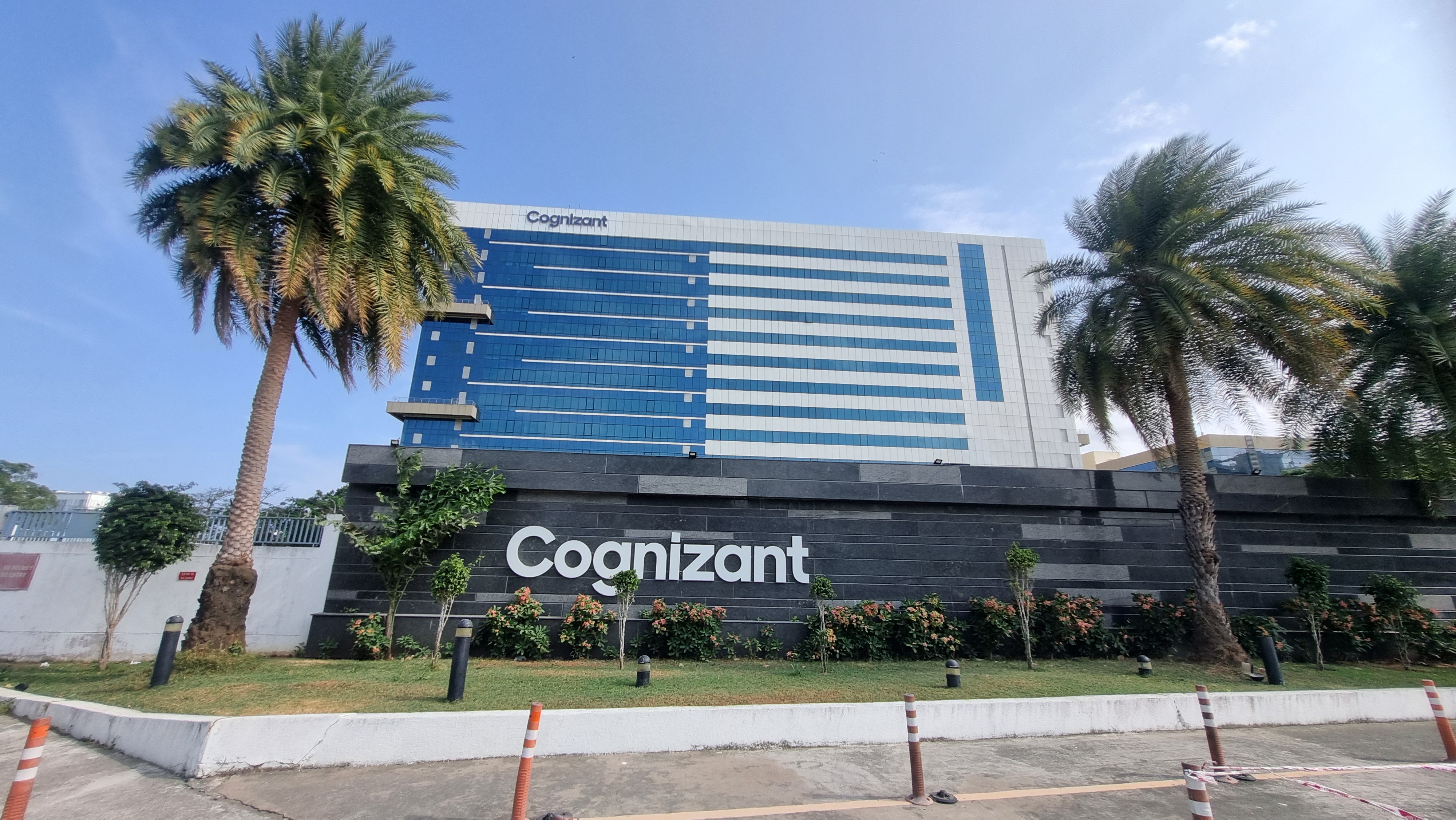
Inside Cognizant's Digital Nurture Hiring — A 2025-26 Intern's Perspective

Everything a CSE student needs to know about Cognizant's Digital Nurture program — from aptitude rounds to final interviews, straight from a 2025-26 intern.
Inside Cognizant's Digital Nurture Hiring — A 2025-26 Intern's Perspective
If you're a CSE student eyeing Cognizant for placements, here's everything I wish someone had told me before I walked into that process. This isn't from a YouTube video or a Reddit thread — this is from someone who went through it in 2025-26.
Here's how my timeline looked:
- Internship offer received — January 2026
- Digital Nurture training (online) — June to August 2025
- Final interviews — August 2025
- Letter of Intent received — October 2025 (roughly 1-2 months after interviews)
The wait between the final interview and the Letter of Intent is real — be patient, it does come.
What Is Digital Nurture?
Digital Nurture is Cognizant's campus hiring and onboarding program designed to bridge the gap between college and corporate. It's not just a training program — it's the pipeline that leads you into GenC or GenC Next, depending on how you perform during the evaluation.
GenC Next is the higher track — and that's where you want to be.
The Selection Process
The hiring happens in three rounds, and each one filters a different skill set.
Round 1 — Aptitude
Standard quantitative ability, logical reasoning, and verbal ability. Don't underestimate this. A lot of technically strong candidates fall here because they don't prepare. Practice consistently — platforms like IndiaBIX or PrepInsta work well for this.
Round 2 — Communication & English
This round tests your written and spoken English. It includes reading comprehension, grammar, and sometimes a spoken component. Be clear, be confident, and don't overthink it.
Round 3 — Coding
This is the round most people focus on, and rightfully so. It has three sections:
- 1 SQL query — basic to intermediate, joins and aggregations
- 1 HTML/JS problem — front-end fundamentals, nothing too complex
- 1 LeetCode Easy level — arrays, strings, basic logic
Nothing here is designed to trip you up. If you've been consistently practicing DSA and have a basic understanding of web fundamentals, you'll clear it.
Digital Nurture — 8 Weeks of Online Training
What they teach:
- Java Fundamentals — OOP, SOLID Principles, Design Patterns
- Spring Boot — REST APIs, microservices basics
- React.js — component-based frontend development
- Git — version control workflows
- General software engineering practices
Sessions are conducted after college academic hours, so you're balancing both simultaneously. The format is engaging — expect Kahoot quizzes and hands-on exercises sprinkled throughout to keep things interactive. Completed hands-ons are uploaded to GitHub, so keep your repo clean and your commits consistent.
Stay on top of each session — the content builds on itself, and falling behind while managing college hours is easier than it sounds.
The Final Gate — MCQ + Technical Interview
After 8 weeks, you face two final assessments:
- MCQ Test — covers all training topics. Conceptual understanding matters more than rote learning here.
- Technical Interview — this is where GenC and GenC Next separation happens. Your performance here determines which track you go into.
Go in knowing your project inside out. Be able to explain every decision you made, every technology you used, and why. Interviewers respect clarity and ownership over perfect answers.
My Honest Take
The Digital Nurture program is genuinely well-structured. It gives you exposure to a real tech stack that companies actually use — not just theory. The scrum masters and tech leads are accessible, and the leadership connect sessions give you visibility beyond just your immediate team.
That said, it moves fast. If you're not proactive about your learning during training, the evaluations will show it. The best thing you can do is treat the academic project like a real production project — build it properly, test it, and own it.
The interns who stood out weren't always the ones with the best technical knowledge. They were the ones who communicated well, took initiative, and showed up consistently every day.
What to Prepare Before You Walk In
- Solve at least 150-200 LeetCode problems (Easy to Medium)
- Get comfortable with basic SQL — joins, group by, subqueries
- Know HTML and JavaScript fundamentals
- Brush up on OOP concepts — you'll use them throughout training
- Practice aptitude daily, even 20-30 minutes helps
What's Next — Updates Coming Soon
This article covers the hiring and training phase. I'll be updating this with my experience through the internship itself and the post-internship onboarding process in the coming months — so check back if you want the full picture beyond just getting in.
This is based on my personal experience going through the Cognizant Digital Nurture hiring in 2025-26. Processes can change — always cross-check with the latest official updates. Feel free to reach out on LinkedIn if you have questions.
Enjoyed this post?
Thanks for reacting!
Read next
Back to all posts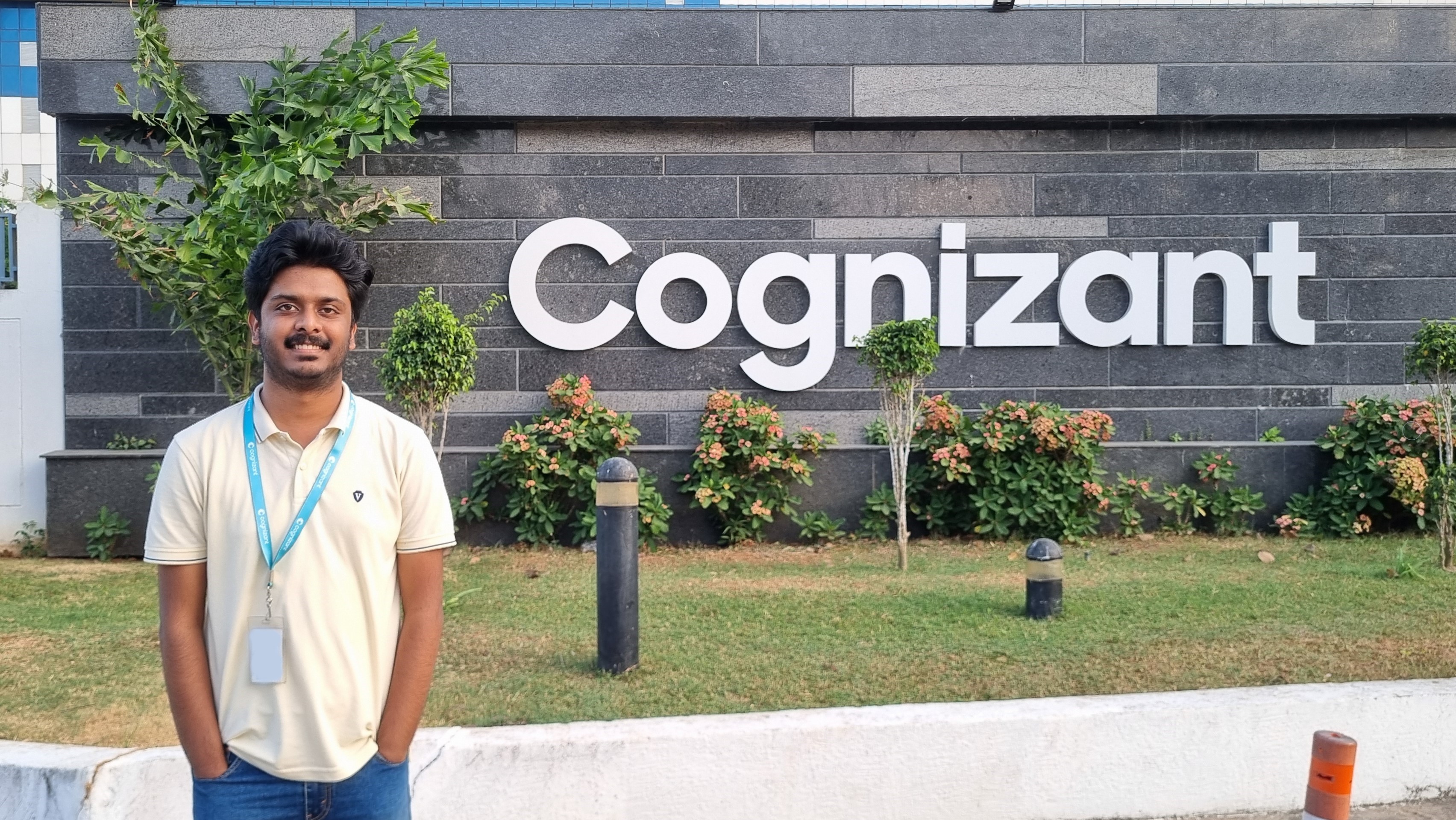
My Cognizant GenC Next Internship — An Honest Account
A first-hand account of my Cognizant GenC Next internship from January to May 2026 — what the program looks like, what a day actually feels like, and what I'd tell anyone heading into it.
.png)
What Campus Doesn't Teach You
Everything I learned the hard way — from cracking placements and surviving Cognizant's Digital Nurture program to leading a team of interns and why AI is the skill you can't afford to ignore anymore.
I Built a Desktop App to Watch My Own Security Camera Footage
How I reverse-engineered the Godrej Ace Pro camera format and built a free, open-source Electron app to browse, play, and export footage on my own terms.